5 Essential Watercolor Techniques Every Beginner Artist Should Master

Wet-on-Wet: Creating Soft, Flowing Blends
Wet-on-Dry: Precise Lines and Controlled Details
Dry Brush: Adding Texture and Movement
Glazing: Building Depth with Transparent Layers
Lifting: Correcting Mistakes and Creating Highlights
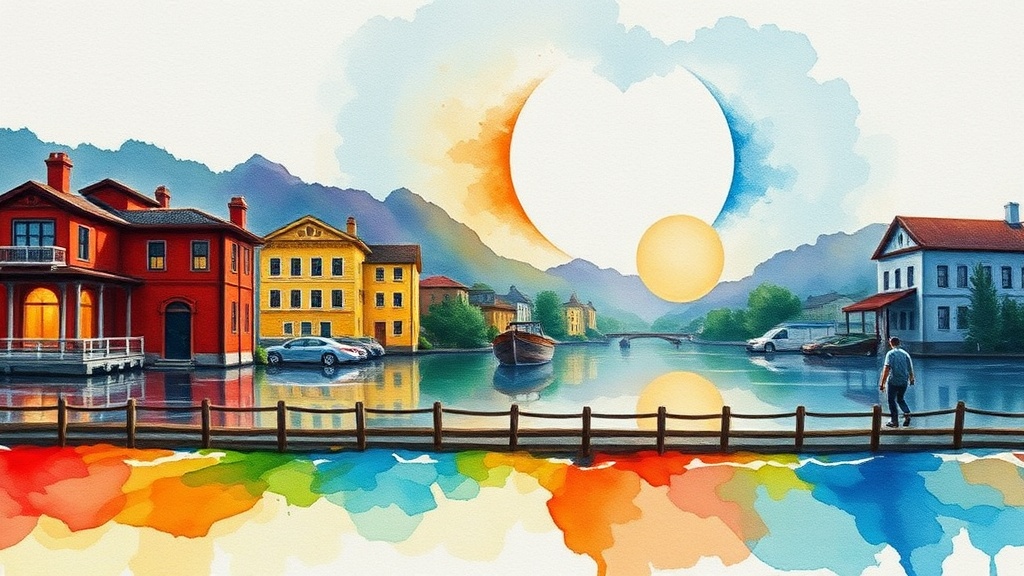
This post covers five foundational watercolor techniques that transform muddy puddles into luminous washes—wet-on-wet, wet-on-dry, dry brush, glazing, and lifting. Master these, and the paintings practically paint themselves. (Okay, not really—but the learning curve flattens dramatically.) Each method builds the others, creating a toolkit that lets colors sing instead of fighting each other.
What Is Wet-on-Wet Technique and Why Does It Matter?
Wet-on-wet means painting onto damp paper. That's it. The pigment spreads, blooms, and blends in ways that feel almost alive.
This technique sits at the heart of watercolor's magic. When water carries pigment across wet paper, edges soften automatically. Colors merge without harsh lines. The result feels atmospheric—misty landscapes, dreamy skies, water that actually looks wet.
Here's how it works: soak the paper first with clean water using a large wash brush (the Princeton Aqua Elite in size 12 handles this beautifully). Wait until the surface loses its shine—about 2-3 minutes. Then drop in color. Watch it move. The paint travels where water already lives.
The catch? Timing matters. Too wet, and everything pools at the bottom. Too dry, and you lose those soft edges entirely.
Common wet-on-wet applications include:
- Sky backgrounds with seamless color transitions
- Soft floral petals that seem to glow
- Water reflections without hard edges
- Background washes that push objects forward visually
Paper choice affects results enormously. Cold-pressed Arches 140lb holds water longer than student-grade alternatives, giving more working time. Worth noting: cheap paper sometimes dries unevenly, creating blotchy surprises that aren't artistic—just frustrating.
How Does Wet-on-Dry Differ from Wet-on-Wet?
Wet-on-dry means painting on dry paper. Simple distinction—profoundly different results.
This technique delivers control. Crisp edges. Precise details. Defined shapes. Where wet-on-wet flows like water (because it is), wet-on-dry stays put exactly where placed.
Start with bone-dry paper. Load the brush with pigment—more concentrated than wet-on-wet requires. Apply deliberately. The brush stroke records every movement, every hesitation. This transparency reveals character.
Most watercolor paintings combine both approaches. Wet-on-wet establishes atmospheric backgrounds. Wet-on-dry adds structure—tree trunks, architectural details, facial features.
Layering wet-on-dry creates depth through optical mixing. Yellow over blue (dry) produces green visually without muddying the paint on the palette. The white paper sparkles through transparent layers, giving watercolor its characteristic luminosity.
Professional artists at the National Watercolor Society often build 5-10 transparent layers this way. Each layer must dry completely—rushing causes colors to lift and mud.
What Can You Create with Dry Brush Technique?
Dry brush creates texture. Grass. Bark. Weathered wood. Fur. Anything rough or broken.
The method sounds counterintuitive: use almost no water. Load a flat brush (the Silver Black Velvet 1-inch flat works well) with thick pigment. Drag it across dry paper's surface texture. The brush skips over paper hills, depositing pigment only in valleys. Instant texture.
Pressure variations change everything. Light pressure creates hair-thin lines. Firmer contact produces broader, more continuous strokes. Angle matters too—perpendicular dragging gives different results than angled strokes.
This technique shines for:
- Rustic wooden fences and barn siding
- Sparkles on water (horizontal dry brush)
- Grass blades and foliage texture
- Broken color that suggests movement or shimmer
Here's the thing—dry brush looks terrible when overused. One weathered fence? Charming. An entire painting built from broken texture? Exhausting. Sparingly. That's the word.
Why Is Glazing the Secret Weapon of Professional Watercolorists?
Glazing transforms good paintings into stunning ones through transparent layering. Each thin veil of color modifies what's beneath without covering it.
Think of glazing like tinted glass. Blue glaze over yellow reads green. Red glaze over blue creates violet depths. The underlying layers remain visible—complexity emerges from simplicity.
Technical requirements are strict: underlying layers must be absolutely dry. Pigments must be transparent (check the tube—Winsor & Newton marks transparent pigments with squares). Opaque colors (cadmiums, some earth tones) block light rather than filtering it.
Application matters. Use a soft brush. Lay the glaze evenly without scrubbing—agitation lifts previous layers. One confident stroke. Don't fiddle.
| Glazing Combination | Resulting Effect | Best Used For |
|---|---|---|
| Yellow Ochre + Cobalt Blue | Natural greens | Foliage, moss |
| Alizarin Crimson + Ultramarine | Rich purples | Shadows, distant hills |
| Burnt Sienna + French Ultramarine | Neutral darks | Tree trunks, rocks |
| New Gamboge + Quinacridone Rose | Warm oranges | Autumn leaves, sunsets |
The transparency creates depth impossible in single layers. Shadows recede. Light advances. Forms round themselves through temperature shifts rather than line.
Historical masters like J.M.W. Turner built reputations on glazing expertise. Modern practitioners at Strathmore's artist resources demonstrate how contemporary painters adapt these classical approaches.
How Do You Fix Mistakes with Lifting and Scraping?
Lifting removes pigment. Scraping reveals white. Both rescue paintings—or create effects no brush achieves.
Watercolor isn't as unforgiving as reputation suggests. Wet lifting blots excess paint with paper towel or thirsty brush. Acts fast—within seconds of application. Useful for clouds, highlights, correcting runaway blooms.
Dry lifting (on completely dry paint) requires stiffer tools. Magic Eraser sponges lift gently. Stiff brushes with clean water scrub small areas. Specialized lifting preparations (like Masking Fluid applied before painting) preserve whites from the start.
Scraping works on damp-to-dry paint. Palette knives, credit card edges, or specialized scraping tools remove pigment mechanically. The technique creates:
- White water lines in dark passages
- Sparkle on wet surfaces
- Texture in stone or concrete
- Hair and fur details over dry underlayers
That said, aggressive scraping damages paper. Arches handles abuse better than cheaper papers, but even it has limits. Test first on paper scraps.
Salt scattering (related technique) creates crystalline textures when sprinkled on wet paint. Coarse sea salt gives larger blooms; table salt creates finer patterns. Let it dry completely—brushing off damp salt smears everything.
Building Your Starter Palette
Technique means nothing without workable materials. Here's what actually matters:
Paints: Start with six tubes. Daniel Smith or Winsor & Newton Professional—artist grade, not student. New Gamboge (warm yellow), Quinacridone Rose (cool red), French Ultramarine (warm blue), Phthalo Blue (cool blue), Burnt Sienna (earth), and Payne's Gray (neutral dark). Everything else mixes from these.
Brushes: Three does it. Round #8 for general work, Round #4 for details, 1-inch flat for washes. Natural squirrel or synthetic equivalent—sable's lovely but not necessary.
Paper: 100% cotton. No exceptions. Arches, Saunders Waterford, or Fabriano Artistico cold-pressed blocks prevent buckling without stretching. The investment pays for itself in frustration avoided.
Extras: Masking fluid (for preserving whites), white gel pen (for final highlights), spray bottle (for re-wetting), and plenty of paper towels. A Masterson Sta-Wet palette keeps paints workable between sessions.
Common Beginner Mistakes (and How to Avoid Them)
Muddy colors usually mean over-mixing on the palette. Two or three pigments maximum per mixture. More creates gray-brown soup.
Chalky passages indicate opaque pigment overuse. Check tubes—transparent pigments list "T" or have open squares on professional labels. Earth tones (Yellow Ochre, Burnt Sienna) lean opaque naturally.
Blooms ( cauliflower-like textures) happen when wet paint hits damp paper unevenly. Consistent wetness prevents this. Or embrace blooms—Turner certainly did.
Hard edges where soft ones belong? The paper dried. Work faster, use more water in climate-controlled spaces, or employ a spray bottle to extend working time.
"Watercolor is like herding cats—glorious when it cooperates, humbling when it doesn't. The paper always has a vote."
Practice each technique separately before combining. Spend an afternoon doing nothing but wet-on-wet sky studies. Another on glazing color wheels. Mastery comes from repetition, not finished paintings.
The best watercolor advice? Embrace the unexpected. Unlike oil or acrylic, watercolor retains autonomy. Pigments separate, granulate, bloom in ways the artist suggests rather than controls. The techniques above aren't about domination—they're about partnership. Negotiation. Learning when to lead and when to follow.
Pick up the brush. Make mud. Make blooms. Make something that surprises you. That's where the real learning lives.