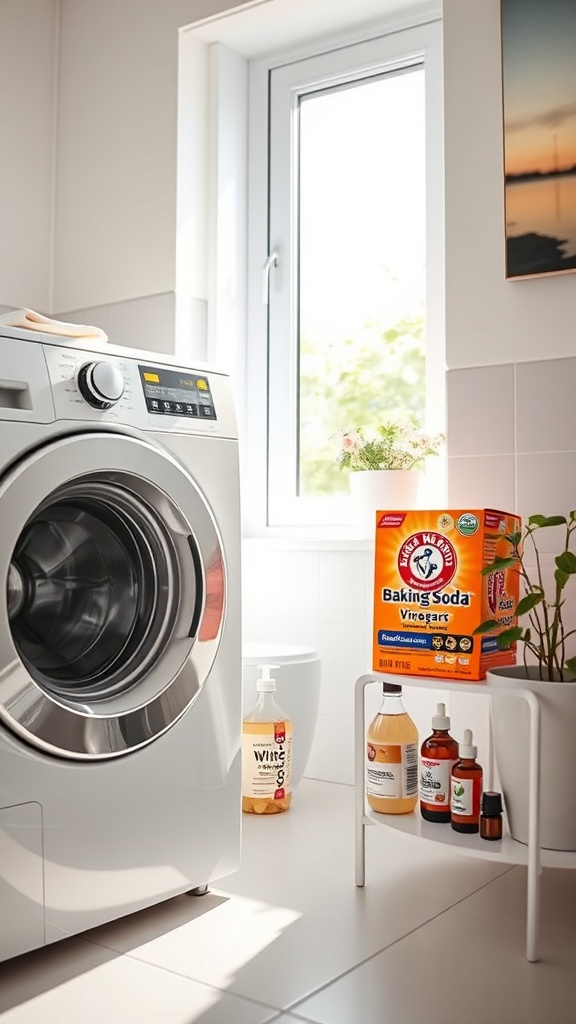
Eco-Friendly Laundry Tips for Spring Cleaning

Hook
Ever watched your laundry spin and wondered why it smells like chemicals instead of fresh linen? What if you could scrub, soften, and brighten clothes while cutting waste and saving water?
Context
Spring cleaning is the perfect moment to rethink the way we wash clothes. With a surge in “green laundry” searches, more households are seeking low‑cost, low‑impact alternatives. Below are practical, DIY laundry tips that fit right into your spring routine.
What Simple Ingredients Can Replace Conventional Detergent?
Vinegar – White distilled vinegar acts as a natural fabric softener, eliminates detergent residue, and helps brighten colors. Add ½ cup to the rinse cycle.
Baking Soda – Boosts detergent power, neutralizes odors, and softens water. Toss ¼ cup into the wash along with your regular (or minimal) detergent.
Essential Oils – A few drops of lavender, eucalyptus, or citrus oil give your laundry a fresh scent without synthetic fragrance chemicals.
Pro tip: Combine 1 cup of washing soda (a heavier form of baking soda) with ½ cup of vinegar for stubborn stains—apply as a paste, let sit 15 minutes, then wash as usual.
How Can You Reduce Water Waste While Doing Laundry?
- Full Loads Only – Fill the drum to the recommended level; modern machines need less water for full loads.
- Cold Water Washes – Most detergents work at 20‑30 °C. Cold water saves up to 90 % of heating energy (EPA).
- Reuse Greywater – Capture the rinse water for plant watering or toilet flushing (check local regulations).
Which DIY Laundry Detergent Recipe Saves Money and the Planet?
Ingredients
- 1 cup washing soda
- 1 cup borax (optional, for extra whitening)
- 1 cup grated soap (Castile or any unscented bar)
- 10‑15 drops essential oil of choice
Steps
- Grate the soap and melt it gently in a pot with a little water.
- Mix in washing soda and borax until fully combined.
- Add essential oil and stir.
- Store in an airtight container.
- Use 2 tablespoons per load.
Why it works: The alkaline base lifts dirt, while the oil adds a pleasant scent—no harsh surfactants.
What Are Common Mistakes to Avoid?
- Using Too Much Vinegar – Excess can corrode rubber seals over time; stick to ½ cup per rinse.
- Skipping a Rinse – If you use a lot of baking soda, an extra rinse prevents residue buildup.
- Mixing Vinegar with Bleach – Never combine; it creates toxic chlorine gas.
How Do These Tips Fit Into a Larger Eco‑Friendly Home Routine?
Pair your laundry upgrades with other spring cleaning hacks:
- Zero‑Waste Spring Cleaning Routine – Read how to cut waste throughout the house.
- DIY Natural Fabric Fresheners – Keep drawers smelling fresh without chemicals: /blog/spring-refresh-diy-natural-fabric-fresheners.
- Citrus & Vinegar Cleaners – Extend the power of vinegar to surfaces: /blog/spring-refresh-diy-citrus-vinegar-cleaners-for-an-eco-home.
Takeaway
Switching to vinegar, baking soda, and essential oils transforms your laundry from a chemical‑heavy chore into a simple, sustainable habit. Save money, reduce water use, and enjoy fresher clothes—all while keeping the planet happy.
Further Reading
- EPA’s guide on greener laundry practices: https://www.epa.gov/greenliving/green-tips-laundry
- Consumer Reports on detergent buying: https://www.consumerreports.org/cro/laundry-detergent/buying-guide/index.htm
- Healthline on the benefits of vinegar: https://www.healthline.com/health/benefits-of-vinegar
<meta.faqs>
[
{"question": "Can I use vinegar as a fabric softener?", "answer": "Yes—add ½ cup of white distilled vinegar to the rinse cycle to soften fabrics and remove detergent residue."},
{"question": "Is it safe to wash clothes in cold water?", "answer": "Modern detergents work well in cold water, saving energy and preserving colors."},
{"question": "How often should I replace my DIY detergent?", "answer": "Store it in a cool, dry place and it will last up to 6 months; make fresh batches as needed."}
]
</meta.faqs>