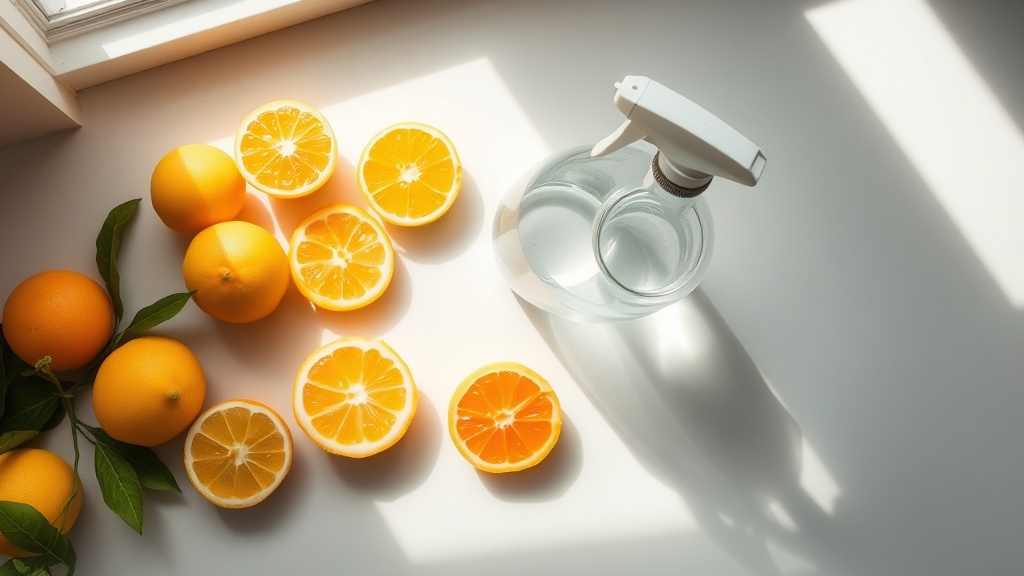
Spring Refresh: DIY Citrus & Vinegar Cleaners for an Eco Home

Why settle for chemical cleaners when your kitchen can double as a scent‑filled lab?
Ever notice how a whiff of lemon makes a room feel instantly fresher? That zing isn’t just a mood‑booster—it’s a natural cleaning powerhouse. As we dive into spring, the urge to scrub every surface is real, but what if you could do it without the harsh chemicals that crowd store shelves?
What’s the buzz about citrus and vinegar?
Citrus peels contain citric acid and essential oils that break down grime, while white vinegar’s acetic acid dissolves mineral deposits and grease. Together, they make a versatile, low‑cost cleaning trio that’s kind to the planet and your wallet.
All‑Purpose Citrus‑Vinegar Cleaner
Ingredients
- 1 cup distilled white vinegar
- 1 cup water
- Zest of 1 lemon or 2 oranges (plus the juice)
- 10‑15 drops of citrus essential oil (optional for extra fragrance)
Instructions
- Combine the vinegar and water in a spray bottle.
- Add the citrus zest and juice. If you have a micro‑plane, grate the zest directly into the bottle; the oils will infuse over time.
- Shake well and let the mixture sit for at least 24 hours before use. The longer it steeps, the stronger the scent and cleaning power.
How to use: Spray on countertops, stovetops, and bathroom tiles. Wipe with a clean cloth. For stubborn spots, let it sit a minute before wiping.
Safety tip: Never mix vinegar with bleach or ammonia—those combos release toxic gases.
Cost & environmental impact
A bottle of white vinegar runs about $2, and a handful of citrus peels is essentially free if you’re already juicing for recipes. One spray bottle lasts months, cutting down on plastic waste from disposable cleaners.
Sparkling Glass & Mirror Spray
Ingredients
- ½ cup distilled white vinegar
- ½ cup water
- 1 tablespoon rubbing alcohol (optional for extra shine)
- 5 drops lemon essential oil
Instructions
- Mix the liquids in a spray bottle.
- Shake vigorously.
- Spray on glass surfaces and wipe with a microfiber cloth in a circular motion.
Why it works: Vinegar dissolves film and fingerprints, while the alcohol speeds evaporation, leaving a streak‑free finish.
Pro tip: For a streak‑free result on sunny days, spray the solution on a paper towel first, then wipe with a dry microfiber cloth.
Floor Wash for Tile & Laminate
Ingredients
- 1 cup white vinegar
- 1 gallon warm water
- ¼ cup citrus zest (lemon or orange)
- A few drops of tea tree oil (optional for antimicrobial boost)
Instructions
- Add the vinegar and zest to the warm water in a bucket.
- Let steep for 30 minutes.
- Mop as usual, squeezing out excess liquid to avoid water‑damage on laminate.
Safety note: Avoid using undiluted vinegar on natural stone (marble, travertine) as the acid can etch the surface.
The Bigger Picture: Why DIY matters this spring
- Budget: A single gallon of vinegar and a few citrus fruits cost less than $5, yet it replaces multiple commercial sprays.
- Health: Fewer synthetic fragrances mean fewer headaches and allergic reactions for you and your guests.
- Planet: Less plastic packaging and fewer petro‑based chemicals reduce your household’s carbon footprint.
Quick sanity check before you start
| Question | Answer |
|---|---|
| Do I need to label my bottles? | Absolutely—keep “Citrus Cleaner” and “Glass Spray” separate to avoid mix‑ups. |
| How long will the solution stay effective? | Up to 3 months if stored in a cool, dark place. Give it a good shake before each use. |
| Can I use these cleaners on wood surfaces? | Stick to the all‑purpose spray, but test on an inconspicuous spot first. |
Related Reading
- Biophilic Design Tips for a Productive Home Office — Pair your clean space with nature‑inspired décor for ultimate focus.
- Green St. Patrick’s Day: Sustainable Events in NYC — Keep the eco‑momentum going beyond the kitchen.
- Spring Cleaning Your Digital Life — Extend the refresh to your screens and devices.
FAQ
Enjoy a sparkling, scent‑filled home this spring—without the chemical overload. Your next art‑gallery‑worthy space starts with a clean canvas, and now you’ve got the recipe.