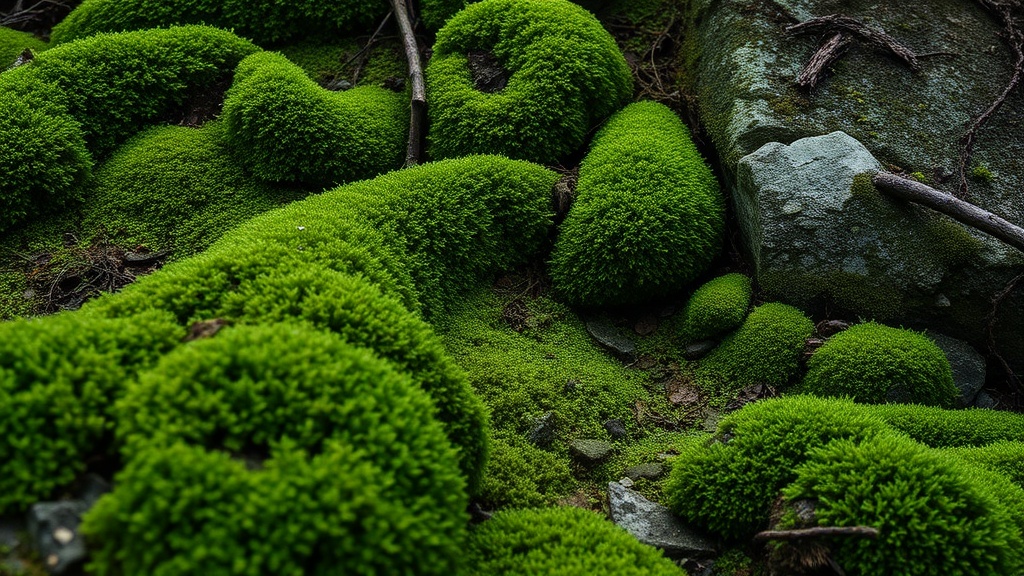
Whispers of the Forest: Layering Found Moss for Mixed Media Relief

Have you ever looked at a piece of mixed media art and wondered how the artist achieved that startling sense of three-dimensional depth without it looking like a cluttered collage? The secret often lies in the strategic use of organic matter—specifically, the subtle, velvet-like textures of forest moss. While many beginners fear that adding "found" objects will make their work look amateurish or messy, the key to a professional finish is understanding the structural relationship between the substrate, the adhesive, and the organic material itself.
In this guide, we will move beyond the simple act of gluing greenery onto a canvas. We are exploring the sophisticated technique of relief layering, a method used to create sculptural topography within a two-dimensional frame. By treating moss not as an afterthought, but as a structural component, you can create works that interact with light and shadow in ways that paint alone cannot achieve.
The Anatomy of the Materials
Before you head into the woods or your local nursery, you must understand that not all moss is created equal. For mixed media relief, you are looking for two distinct categories: structural moss and decorative moss. Structural moss provides the "bulk" or the height of your relief, while decorative moss provides the fine, intricate detail that catches the eye upon closer inspection.
Selecting Your Organic Elements
If you are foraging, look for Bryum argenteum (Silver Moss) for its fine, hair-like texture, or Hypnum (Sheet Moss) for a flatter, more carpet-like appearance. If you prefer to purchase professional-grade materials, I highly recommend sourcing preserved reindeer moss in various shades of forest green and deep ochre. Preserved moss is superior for long-term mixed media because it has been treated with glycerin, meaning it won't decay, rot, or attract pests to your studio.
To complement these organic textures, you will need a sturdy foundation. A standard thin canvas will buckle under the weight of heavy gel mediums and moss. Instead, utilize a wooden cradle panel or a heavy-duty MDF board. This provides the necessary rigidity to support the physical weight of the relief layers. For those interested in how different textures interact with a surface, you might find inspiration in our previous discussion on sculpting texture with found objects.
The Adhesive Toolkit
Do not attempt to use standard white school glue; it lacks the viscosity required to hold organic matter in a vertical or high-relief position. Instead, use a high-viscosity Acrylic Modeling Paste or a Heavy Gel Medium (such as Golden Artist Colors' Heavy Gel). These products act as both your glue and your structural "cement," allowing you to build up height before the moss is even applied.
Phase One: Building the Topography
The most common mistake in relief art is applying moss directly to a flat surface. To create a professional, museum-quality piece, you must first "sculpt" the landscape using your medium. This stage is about creating the bones of your composition.
- Map the Terrain: Using a graphite pencil, lightly sketch the areas where you want the moss to live. Do not draw every leaf; instead, draw "zones" of density.
- Apply the Modeling Paste: Using a palette knife (a stainless steel tool like the Liquitex one is ideal), scoop a generous amount of modeling paste onto your designated zones. Do not spread it thin like paint; instead, pile it up to create mounds, ridges, and valleys.
- Texture the Base: While the paste is still wet, use a stiff-bristled brush or even a crumpled piece of aluminum foil to press texture into the paste. This creates "nooks" that will eventually hold your moss in place.
- The Drying Period: This is the hardest part of the process. You must let the modeling paste dry completely. Depending on the thickness of your mounds, this can take 24 to 48 hours. If the paste is still soft when you add the moss, the weight will cause the entire structure to collapse.
Phase Two: The Layering Process
Once your "landscape" is dry and rigid, you are ready to introduce the organic elements. This is where the "whisper" of the forest comes to life through color and texture.
Technique: The "Wet-on-Wet" Application
To ensure the moss stays embedded in your relief, you should use a wet-on-wet technique. Rather than applying glue to the board and then the moss, you will apply a layer of Heavy Gel Medium over your dried modeling paste, and then press the moss into it immediately.
- Base Layering: Start with your darkest, densest moss (perhaps a deep forest green or even a dark charcoal-dyed moss). Press these into the deepest valleys of your modeling paste. This creates a sense of shadow and depth.
- Mid-Tone Layering: Once the base layer is set, add your mid-tone mosses. This is where you use pieces of Sheet Moss to cover the ridges you created.
- Highlight Layering: The final step is the "whisper." Use your smallest, most delicate mosses—like Reindeer Moss or even small bits of dried lichen—to hit the highest points of your relief. These should be the parts that catch the light when the viewer moves around the piece.
As you work, remember that negative space is your friend. You do not want to cover every inch of the board. Leave some areas of your base color or your textured modeling paste exposed. This creates a visual "breathing room" that prevents the piece from looking cluttered. If you struggle with knowing when to stop, revisit our guide on using negative space to shape your sketches to understand the balance of light and dark.
Phase Three: Integration and Finishing
The final stage of a mixed media relief piece is the "integration." This is the step that separates a craft project from a work of contemporary art. You want the moss to look like it is an intrinsic part of the canvas, not something just stuck on top of it.
The Glazing Method
To unify the organic moss with your painted background, use a transparent glaze. Mix a small amount of acrylic paint (a muted earth tone like Raw Umber or Sap Green works best) with a high ratio of Gloss Medium. Using a wide, soft brush, very lightly brush this mixture over the edges where the moss meets the board. This "blurs" the transition and makes the moss appear to grow out of the surface.
Sealing for Longevity
If you are using real, non-preserved moss, you must seal the piece to prevent moisture issues. A light spray of UV-Resistant Matte Varnish is sufficient. Do not use a heavy brush-on varnish, as the liquid can soak into the moss, causing it to flatten and lose its lifelike texture. A spray application allows the air to pass through the fibers, preserving the volume of the moss while providing a protective barrier against dust and light.
Troubleshooting Common Issues
"My moss is falling off after a few days."
This is almost always a result of using insufficient adhesive or applying it to a surface that wasn't dry. Ensure you are using a heavy-body gel and that your modeling paste is rock-hard before you begin layering.
"The piece looks too heavy and one-sided."
This happens when you build too much relief on one side of the composition. To fix this, look at your piece from a profile view (side-on). If one side is significantly taller than the other, use a palette knife to scrape down the high areas or add more modeling paste to the low areas to balance the visual weight.
By following these structural steps, you move from merely "decorating" a surface to "constructing" a visual experience. The interplay of the rigid, man-made modeling paste and the soft, organic moss creates a tension that is hallmark to successful contemporary mixed media. Go forth, find your textures, and let the forest speak through your work.