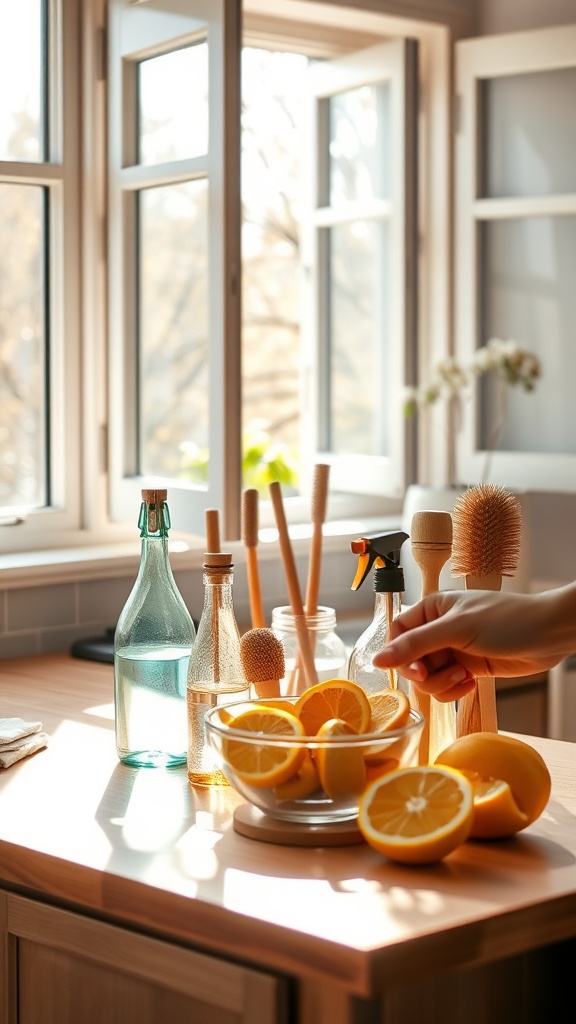
Zero-Waste Spring Cleaning Checklist: Simple Swaps for a Healthier Home

Zero-Waste Spring Cleaning Checklist: Simple Swaps for a Healthier Home
Hook: Ever opened a closet and felt like you were digging through a landfill? What if you could turn that spring‑cleaning frenzy into a guilt‑free, zero‑waste ritual that leaves your home fresher and the planet a little happier?
Context: Spring cleaning is a beloved tradition, but most of us still reach for disposable wipes, single‑use sponges, and chemical sprays that linger in the air and in our waterways. This guide shows you how to replace those throw‑away habits with reusable, non‑toxic alternatives — without breaking the bank or sacrificing sparkle.
What Are the Biggest Zero‑Waste Mistakes People Make During Spring Cleaning?
Most of us assume that swapping a spray bottle for a homemade cleaner is enough. In reality, the waste creeps in from tool choices, packaging, and convenience products. Below is a quick audit you can run while you sort through your cabinets.
- Disposable wipes — they’re cheap, but they’re also single‑use plastic that often ends up in landfills.
- Plastic scrub brushes — many are made from polypropylene that never truly degrades.
- Pre‑mixed chemical cleaners — the packaging alone can be a waste mountain.
- Paper towels — great for spills but terrible for the environment when used for routine cleaning.
Takeaway: Identify the items you reach for most, then replace them with sustainable stand‑ins.
How Can I Build a Reusable Cleaning Toolkit on a Budget?
You don’t need a $200 starter kit. Here’s a budget‑friendly starter pack that fits in a single kitchen drawer:
- Glass spray bottles (reuse old jam jars or buy a set of 2‑liter amber bottles). They’re cheap, reusable, and won’t stain.
- Bamboo scrub brushes — naturally antimicrobial and biodegradable.
- Micro‑fiber cloths — wash them after each use; they’re perfect for dusting and polishing.
- Citrus peels & vinegar — the dynamic duo for a powerful, scent‑free cleaner.
- Reusable lint rollers — old pantyhose wrapped around a wooden dowel works wonders.
Pro tip: Check out local thrift stores or community “freecycle” groups for pre‑owned glass bottles and bamboo tools. You’ll often find hidden gems for pennies.
Which Homemade Cleaners Replace the Most Toxic Store‑Bought Sprays?
1. All‑Purpose Citrus‑Vinegar Cleaner
Ingredients: 1 cup distilled white vinegar, 1 cup water, zest of 1 lemon (or orange), 10 drops citrus essential oil.
How to use: Shake in a glass spray bottle, spray on countertops, wipe with a micro‑fiber cloth. The acid cuts grease, while the citrus oils leave a fresh scent.
2. Baking‑Soda Scrub for Stubborn Grime
Ingredients: ½ cup baking soda, enough water to form a paste, a few drops tea‑tree oil.
How to use: Apply paste to stovetops or tile grout, let sit 5‑10 minutes, scrub with a bamboo brush, rinse.
3. Walnut‑Shell Wood Polish
Ingredients: 1 part walnut oil, 2 parts lemon juice, a pinch of salt.
How to use: Apply with a soft cloth, buff to a shine. Great for wooden furniture and cutting boards.
Why it works: These recipes avoid synthetic surfactants and phosphates that can harm aquatic life.
How Do I Tackle Specific Rooms Without Creating Waste?
Kitchen
- Sink: Sprinkle baking soda, scrub with a bamboo brush, rinse with hot water.
- Fridge: Wipe shelves with a micro‑fiber cloth dampened with citrus‑vinegar cleaner.
- Cabinets: Dust with a dry microfiber cloth, then wipe with a damp one for sticky spots.
Bathroom
- Shower: Spray the citrus‑vinegar mix, let sit 10 minutes, scrub with a bamboo brush.
- Toilet: Sprinkle baking soda inside bowl, scrub, then flush. Outside, use the same citrus‑vinegar spray.
- Mirror: Use a 1:1 water‑vinegar mixture, wipe with a lint‑free cloth for streak‑free shine.
Living Areas
- Floors: For wood, mop with a few drops of citrus‑vinegar in warm water. For tile, add a splash of baking soda to the mop water.
- Upholstery: Sprinkle baking soda, let sit 15 minutes, vacuum. It lifts odors without chemicals.
What Are Some Zero‑Waste Habits to Keep After Spring Cleaning?
- Refill, don’t replace — Keep a small “refill station” near your sink with empty glass bottles ready for the next batch of cleaner.
- Batch‑make cleaners — One large batch of citrus‑vinegar spray can last a month; store in the fridge for extra freshness.
- Rotate reusable cloths — Keep a laundry basket for used micro‑fiber cloths; wash them with a gentle detergent and hang to dry.
- Mindful purchasing — When you need a new tool, ask, “Can I get this in a reusable form?” and choose bamboo or metal over plastic.
Takeaway: Your Zero‑Waste Spring Cleaning Blueprint
- Audit your current tools and toss disposables.
- Assemble a reusable toolkit with glass bottles, bamboo brushes, and micro‑fiber cloths.
- Mix three simple, non‑toxic cleaners (citrus‑vinegar, baking‑soda scrub, walnut‑oil polish).
- Apply room‑by‑room methods outlined above.
- Maintain the habit by refilling, batching, and choosing reusable options year‑round.
By swapping a handful of cheap, single‑use items for durable, eco‑friendly alternatives, you’ll not only cut down on waste but also create a fresher, healthier home environment. Your guests will notice the sparkle; the planet will notice the reduced landfill load.
Related Reading
- Eco‑Friendly Laundry Tips for Spring Cleaning — Learn how to wash clothes without plastic detergent bottles.
- Upcycling Glass Jars for Stylish Home Storage — Turn empty jars into chic organizers.
- DIY Natural Fabric Fresheners — Keep linens smelling clean without synthetic sprays.
- DIY Citrus & Vinegar Cleaners for an Eco Home — The full recipes you just saw in action.
Author: Nadia Okafor‑Chen
Category: Culture & Inspiration
Tags: zero-waste, spring cleaning, sustainable living, eco-friendly, home tips