Zero-Waste Spring Cleaning Routine for a Healthier Home

Why does a zero‑waste spring cleaning routine matter right now?
Spring has always been the season for a deep‑clean, but a recent EPA report shows household chemical waste has risen sharply over the past two years. That means more plastics, more toxic residues, and a bigger carbon footprint for the average home. If you’re looking to refresh your space without adding to that waste pile, a zero‑waste approach is the answer.
What tools do I need for a zero‑waste spring cleaning routine?
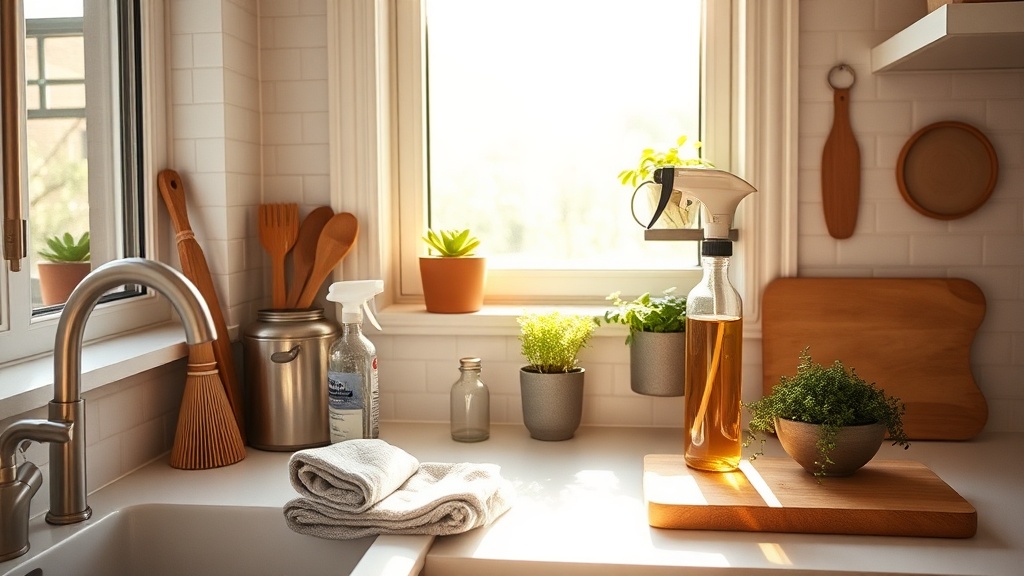
Start with reusable, long‑lasting items you probably already own or can pick up for under $20:
- Bamboo scrub brush — sturdy enough for grout but gentle on surfaces.
- Microfiber cloths — absorb water and grime without leaving lint.
- Glass spray bottles — refillable for any DIY solution you create.
- Reusable silicone scrub pads — perfect for pots, pans, and stovetops.
- Compostable sponges — made from plant fibers, they break down when you’re done.
These tools replace disposable paper towels and single‑use plastic bottles, cutting down on landfill waste dramatically. For a visual of a similar setup, see our upcycled glass‑jar storage guide.
How can I make my own natural cleaning solutions?
DIY cleaners are the heart of a zero‑waste routine. Below are three multipurpose formulas that use pantry staples, work on a variety of surfaces, and keep plastic out of the trash.
All‑Purpose Citrus‑Vinegar Cleaner
Ingredients:
- 1 cup distilled white vinegar
- 1 cup water
- Zest of 1 lemon or 2 oranges (plus the juice)
- 10‑15 drops citrus essential oil (optional)
Method: Combine vinegar and water in a glass spray bottle, add zest and juice, shake, and let steep 24 hours. Use on countertops, bathroom tiles, and stainless steel. Read our citrus‑vinegar deep dive for extra tips.
Tea‑Tree & Baking‑Soda Scrub
Ingredients:
- ½ cup baking soda
- 2‑3 tbsp liquid castile soap
- 10 drops tea‑tree essential oil
- Water (just enough to form a paste)
Method: Mix into a thick paste, apply with a bamboo brush to grout, sinks, or oven interiors. Rinse with warm water. The tea‑tree oil adds antimicrobial power without harsh chemicals.
Glass & Mirror Streak‑Free Spray
Ingredients:
- ½ cup distilled white vinegar
- ½ cup water
- 1 tbsp rubbing alcohol (optional for extra shine)
- 5 drops lemon essential oil
Method: Shake in a spray bottle, spray on glass, and wipe with a clean microfiber cloth. For a pro tip, try spraying onto a paper towel first on sunny days to avoid streaks.
Which rooms benefit most from a zero‑waste approach?
Think of the house as a series of micro‑ecosystems. Target the high‑traffic zones first; they’ll show the biggest impact.
- Kitchen — Replace disposable wipes with a damp microfiber cloth. Use the citrus‑vinegar cleaner on counters and appliances.
- Bathroom — Swap store‑bought shower spray for the tea‑tree scrub. Reuse glass bottles for homemade toilet bowl cleaner (vinegar + baking soda).
- Living areas — Dust with a lint‑free reusable duster and clean wood surfaces with a diluted castile‑soap solution.
- Floors — Instead of a pre‑made mop solution, mix a cup of vinegar with a gallon of warm water and mop with a microfiber mop head.
Each of these swaps reduces single‑use plastic by an estimated 70 % per cleaning cycle, according to a 2024 Life‑Cycle Assessment of Household Cleaning Products.
How do I stay waste‑free throughout the weekend cleaning sprint?
Plan your Saturday and Sunday as a focused, step‑by‑step sprint. Here’s a simple schedule:
- Saturday — Prep (30 min): Gather all reusable tools, fill glass bottles with the three DIY solutions, and set out microfiber cloths.
- Saturday — Kitchen & Bathroom (2 hrs): Tackle counters, appliances, sinks, and tiles using the citrus‑vinegar and tea‑tree scrub.
- Sunday — Living Spaces & Floors (1.5 hrs): Dust, wipe surfaces, and mop floors with the vinegar‑water mix.
- Sunday — Finish & Reflect (30 min): Empty any leftover solution into a compost‑safe container, rinse tools, and store them for next use.
By keeping the routine under four hours total, you avoid burnout and keep the momentum going for future zero‑waste cleaning cycles.
What are common pitfalls and how can I avoid them?
- Mixing vinegar with bleach — This creates toxic chlorine gas. Keep bleach separate and only use it when you need a disinfectant, not for routine cleaning.
- Using too much essential oil — A few drops are enough; over‑application can leave residue and attract dust.
- Forgetting to label bottles — Use a chalkboard label or a reusable tag so you know which solution is which.
- Neglecting tool care — Rinse microfiber cloths after each use and air‑dry them to prevent mildew.
What’s the next step after a zero‑waste spring clean?
Make the routine a habit. Schedule a quick “maintenance clean” once a month using the same reusable tools and DIY solutions. Over time, you’ll notice fewer disposable products creeping back into your cabinet.
Takeaway
Zero‑waste spring cleaning isn’t a radical overhaul; it’s a thoughtful swap of disposable items for reusable tools and simple, plant‑based solutions. By following the weekend plan above, you’ll freshen your home, cut plastic waste, and feel good about the healthier environment you’re creating.
Related Reading
- DIY Citrus & Vinegar Cleaners for an Eco Home — deeper recipes and scent variations.
- Upcycling Glass Jars for Stylish Home Storage — more ideas for reusing containers.
- DIY Natural Fabric Fresheners — keep textiles smelling fresh without aerosol sprays.
- How to Curate a Home Art Gallery Without Feeling Pretentious — extend the zero‑waste mindset to your art displays.