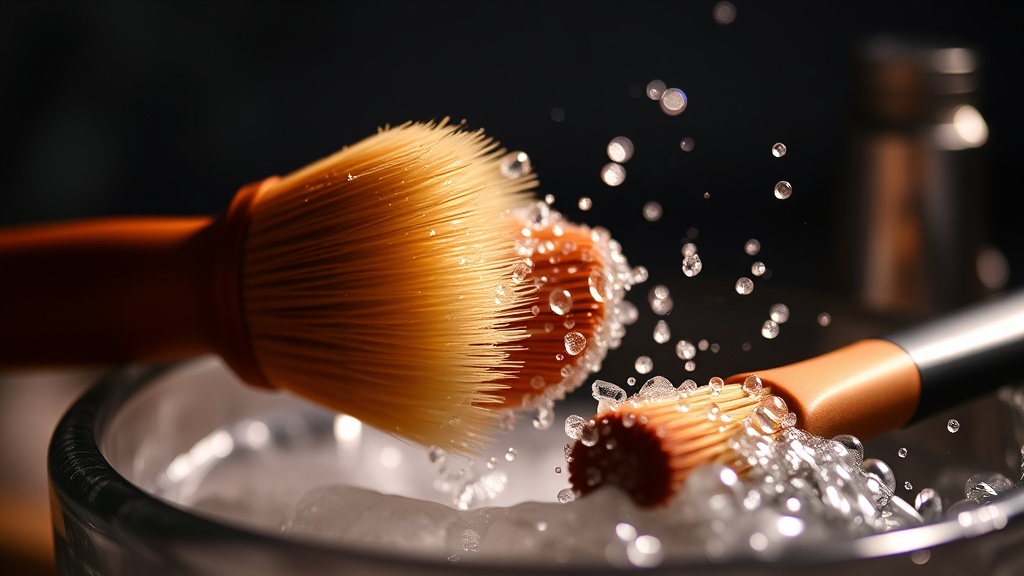
Reviving Your Dried Brushes: A Quick Soak Solution

Quick Tip
A gentle warm water and mild soap soak can often revive brushes that seem permanently stiff.
Have you ever reached for your favorite sable brush only to find the bristles stiff, clumped, and completely unusable?
It is a frustrating moment that many artists face, whether you are working with heavy-body acrylics or delicate watercolors. Often, we assume a brush is ruined once the paint has dried deep into the ferrule, but most of the time, it is simply a matter of stubborn residue that requires a targeted chemical reaction rather than brute force.
The Targeted Soak Method
To revive a brush, you must first identify the medium. A generic soap wash rarely works on dried acrylics because acrylic polymer is essentially a plastic resin. For these stubborn tools, skip the standard dish soap and reach for a dedicated brush cleaner like The Masters Brush Cleaner & Preserver. This is a staple in many professional studios because it both cleans and conditions the bristles.
Follow this specific protocol to restore your tools:
- The Warm Water Pre-Soak: Fill a small jar with lukewarm water—never boiling, as high heat can melt the glue holding the bristles in the ferrule. Submerge only the bristles, not the metal ferrule.
- The Solvent Application: If you are dealing with dried acrylics, apply a small amount of Winsor & Newton professional brush cleaner or a specialized acrylic cleanser to the dry bristles. Massage it in gently with your thumb and forefinger.
- The Gentle Agitation: Use a silicone cleaning mat (often called a "brush scrubber") to work the solution through the base of the bristles. This physical agitation helps break the surface tension of the dried pigment.
- The Final Rinse: Rinse under a lukewarm tap until the water runs completely clear.
Preventative Maintenance
The best way to avoid a rescue mission is to change your workflow. If you are experimenting with organic materials, such as when brewing botanical inks from kitchen scraps, ensure you are rinsing your brushes immediately after use. Organic pigments can sometimes be more acidic or alkaline than synthetic ones, which can degrade natural hair brushes if left to sit.
"A well-maintained brush is an extension of your hand; treat the bristles with the same respect you give your canvas."
Once your brushes are clean, reshape the tip with your fingers while they are still damp and lay them flat to dry. Never store a wet brush upright in a jar, as gravity will pull moisture and residual pigment into the ferrule, causing long-term damage.